Krishnamacharya and Desikachar: Our connection to their yoga lineage

Sri T Krishnamcharya (1888-1989) – The Source

At The Yoga Institute we teach an approach of yoga that derives its roots from the teachings of Tirumalai Krishnamacharya (Nov 18th, 1888 – Feb 28th, 1989). This post aims to share a brief summary on the life of Krishnamacharya and our connection to the source of these teachings and lineage.

The life of Krishnamacharya

“Krishnamacharya was convinced that Yoga was India’s greatest gift to the world.” (Health, Healing and Beyond, 1998) 

Sri Krishnamacharya is regarded as one of the most influential Yoga teachers of the modern era – perhaps throughout all of history. The resurgence of Yoga in India, and its transmission and flourishing across the modern world, truly owes thanks and gratitude to Krishnamacharya. His lifelong dedication to study, practice and teaching Yoga, have left an extraordinary legacy bringing benefit to the lives of millions of people. 

Education and academic accomplishments

Tirumalai Krishnamacharya was born into an orthodox Brahmin family in Southern India. In keeping with the traditions of his family, he was exposed to Vedic teaching (ancient Indian wisdom) and the practice of Yoga throughout his childhood. Along with this early experience, he was recognised for having a sharp intellect and thirst for learning, destined to become a scholar. He achieved great academic success, having completed a number of degrees in philosophy, logic, divinity, philology, and music and obtained honorary PhDs in the 6 Vedic Darshana’s (Indian Philosophy), which also earned him a number of esteemed academic titles.

Studies in Tibet

Following his academic studies, Krishnamacharya went to Tibet where he studied under the direct tutelage of the renowned yogi Ramamohana Bramachari for more than seven years. It was in Tibet that he further integrated his understanding of Yoga, mastering the practice of asana (Yoga postures), pranayama (Yoga breathing techniques), studying the Yoga Sutras, and the healing applications of Yoga and Ayurveda. His teacher’s parting request to Krishnamacharya was “take a wife, raise children and be a teacher of Yoga as a householder”. This was contrary to Krishnamacharya’s life plan to become an academic scholar and head of a renowned learning institute in Southern India.

The Mysore Years

Returning from Tibet he continued his academic studies and began to offer public lectures and demonstrations on Yoga. This led to an invitation by the Maharaja of Mysore for him to set up a Yoga school (shala) at the Mysore Palace in the 1930s. It was during this fruitful period that Krishnamacharya authored the book, Yoga Makaranda (1934) and became well known as a teacher and healer. In 1946, with the Independence of India from the British Raj, Krishnamacharya’s work at the Mysore Palace came to an end. He relocated with his family to Chennai, where he settled for the remainder of his life. 

Passing on his knowledge

It was in Chennai that he continued offering his services as a healer, a Yogacarya (one who has lived and practices what he teaches). Krishnamacharya had a number of dedicated students over the years, who have become internationally renowned Yoga teachers. These include Patabhi Jois, B.K.S. Iyengar, Indra Devi, Srivatsa Ramaswami, A.G. Mohan, and his two sons, T.K. Sribhanshyam  and T.K.V. Desikachar.

Wisdom & Inspiration of Sri T Krishnamacharya


The legacy of T.K.V. Desikachar

It is through Krishnamacharya’s son T.K.V. Desikachar, that we have had the great fortune of immersing ourselves in the teachings and lineage of Krishnamacharya. Recognised worldwide as a remarkable Yoga teacher in his own right, Mr Desikachar was his father’s student during the final 30 years of Krishnamacharya’s life. Desikachar established the world-renowned KYM (Krishnamacharya Yoga Mandiram) in Chennai, India.

Founder and director of The Yoga Institute, Michael de Manincor was a direct student of T.K.V. Desikachar.

Michael first met and studied with Mr Desikachar in his home in Chennai more than 20 years ago, in January 2001. Mr Desikachar was Michael’s yoga-teacher-mentor for many years, and they shared a deeply respectful bond of friendship. His teachings have been of profound significance and at the heart of Michael’s own practice and life journey in Yoga, and all that we teach and share at The Yoga Institute. 

We have also had the privilege of hosting Mr Desikachar for several teaching and workshop visits in Australia.

Our international community

It is through our connection with T.K.V. Desikachar, the KYM, and the international community of teachers and students in this lineage, that we’ve had the great privilege of taking numerous groups of students for study immersion programmes at the KYM, as well as hosting many world renowned teachers in this lineage visiting Australia, including RichardMiller (iRest), Leslie Kaminoff (Yoga Anatomy), AG & Indra Mohan, Ganesh Mohan, and Saraswathi Vasudevan, as well as hosting the International Yoga Convention “Celebrating Yoga” in Sydney, 2003.

Tailoring Yoga to the individual

Son of T. Krishnamacharaya, TKV Desikachar with Michael de Manincor
Son of T. Krishnamacharaya, TKV Desikachar, with our founder and director Michael de Manincor

The guiding principle at the heart of the teachings of Krishnamacharya and his son Desikachar can be summed up in this quote from Krishnamacharya: “Teach what is inside you. Not as it applies to you, but as it applies to the other”. The central idea is that yoga is most beneficial when it is tailored to the needs, goals and abilities of the individual, also known as viniyoga. This concept is the foundation of all we teach in our Yoga Teacher Training, Yoga Therapy Training and Yoga Studies courses.

Keeping the River Flowing 

Along with his blessing of our work, Mr Desikachar requested that we would “keep the river flowing”. At the Yoga Institute, we continue to share the profound teachings that we have gained in gratitude and appreciation from this lineage, bring health, healing and transformation to many people over the past 20+ years. Who knows where the river will flow.

Written by Lisa Grauaug and Michael de Manincor

References:

Desikachar, T. K. V. (1998) Health, Healing, & Beyond

Ruiz, Fernando Pagés  (2007) Krishnamacharya’s Legacy: Modern Yoga’s Inventor https://www.yogajournal.com/article/philosophy/krishnamacharya-s-legacy/

Mohan, A.G with Ganesh Mohan (2010) Krishnamacharya: His Life and Teachings

Keen to learn more?

Stay in Touch: Subscribe to our newsletter here for more news, events and articles to keep you informed.

Put it into practice: View our Cammeray Yoga timetable here to attend a yoga class including a range of techniques including Asana (posture), Pranayama (breathing) and meditation.

Explore the lineage of Krishnamacharaya and Desikachar’s yoga on a deeper level: Start your journey with us by developing your understanding of yoga or maybe even build your knowledge further, by studying to become a yoga teacher.

Dates coming soon: Yoga Psychology & Mental Health

Graduate Studies in Yoga Therapy Module


Course Dates

Dates for 2022/23 will be announced soon

2 days LIVE online (9:30am -4:30pm)
Dates TBC (Sat – Sun)

2 days LIVE online (9:30am – 4:30pm)
Dates TBC (Sat – Sun)

3 days LIVE online (9:30am – 4:30pm)
Dates TBC (Sat – Mon)

2 Saturdays LIVE Online (9:30am  – 4:30pm) 
Dates TBC

followed by 

2 days FACE – FACE in classroom (9:30am – 5:30pm)
Dates TBC (Sat – Sun)


Module Content

This Module will explore the Yogic model of the mind and mental health, as it relates to Yoga Therapy, including:

Yoga Psychology Principles

  • An understanding of the Yogic model of mind
  • The states and functions of the mind according to Yoga
  • An exploration of the healthy psychological system and the system in distress
  • The relationship between Yoga Therapy and modern Neuropsychology
  • The relationship between Yoga Therapy and modern Psychology

Yoga Therapy & Mental Health

  • An exploration of common mental health issues, through a Yoga Therapy lens, including depression, anxiety, addiction, eating disorders, sleep disorders, personality disorders, and psychosis
  • Yoga Therapy treatments involving the mind
  • Yoga Therapy as a model of integrative mental health care – the mind-body perspective

Yoga Therapy Skills Development

  • Precautions and contraindications for mental health aware Yoga Therapy
  • Responding safely to mental health crisis occurring in a Yoga Therapy context
  • Understanding the Scope of Practice of Yoga Therapists working with people with psychological distress or mental illness
  • Addressing common mental health challenges with Yoga Therapy

Ready to Enrol?

Step 1: Deposit & Application

Pay today to secure your place = $550

PLUS

Step 2: Balance Payment

Remaining Balance Payment = $1,400

Total Course Fee = $1,950

SAVE $200 off this price – Early bird special – enrol by cut-off date TBC (limited to first 5 places)

Module pricing includes:

  • 5 x face-face days at The Yoga Institute (Cammeray, Sydney)
  • 6 x live & interactive online days
  • 2 x individual mentoring sessions to support practicum and module completion

Please Note: This 100hr module is part of our full Yoga Therapy Training Course. It is open to yoga teachers who have completed Foundations of Yoga Therapy (or equivalent) or have graduated from The Yoga Institute’s Yoga Teacher Training program. It is not available as a standalone unit.


Module Components


Who are the teachers?

This module will be taught by Michael de Manincor and Janet Lowndes.

Michael de Manincor, The Yoga Institute. Yoga Teacher Trainer. Yoga Therapist. Yoga Therapy TrainerMichael is one of the most highly respected yoga teachers in Australia, with over 30 years teaching experience. He has undertaken extensive studies with renowned teacher TKV Desikachar, in the authentic tradition of T Krishnamacharya. Read more.

Janet Lowndes is a therapist with over 25 years experience providing counselling, training, and consultation. Her professional practice includes psychological counselling, meditation training, and yoga therapy. Read more.


Prior Learning & Course Recognition

If you have already completed a similar Yoga Therapy course please contact us to discuss Recognition of Prior Learning for that training.

This Module is part of the complete Yoga Therapy Training Course qualification which is registered with Yoga Australia.


Assessment

This is a competency-based unit, so students will be assessed to demonstrate competency. In the circumstance where competency is not demonstrated on first submission, re-submission will be possible.

Assessment of this module includes:

  • Full attendance at all face to face classes *
  • Full attendance at all live webinars *
  • Undertaking pre and post lecture study tasks as directed
  • Successful completion and submission of reflective journal questions following all classes and webinars
  • Successful completion of two Case Studies relevant to this Module
  • One other written assessment task related to the Module content

* Where any face to face or live webinar sessions are missed (under exceptional circumstances only) the student will be required to complete adequate ‘make up’ tasks as set by the teacher for that class, including but not limited to viewing of any recordings of the class session (where available), and answering reflective questions set by the teacher. An additional cost will be incurred by the student for these sessions.


Training Components & Prerequisites

This Module is part of the Yoga Therapy Training Course and involves 100+ hours of training, including:

  • 70 hours of classes (face to face & online)
  • access to the online learning portal
  • 2 hours of individual Mentoring with your Program Mentor
  • resources to facilitate 30+ hours of self-directed learning
  • reading material and other learning tools
  • assessment of your written work
  • partial completion of the registered Yoga Therapy Training Course

The requirements in order to register for this unit are:


More Information:

To find out more or get your questions answered, contact Lisa Grauag at yogatherapytraining@yogainstitute.com.au or on 0477 021 219. 

Feb 12, 2017: Love & Listening Circle

Love & Listening Circle with Lucy Surya Karnani

You are invited to join Lucy Surya Karnani for her inaugural

Love & Listening Circle

“When the space between us is made safe for the soul by truthful speaking and receptive listening, we are able to speak truth in a particularly powerful form – a form that goes deeper than our own opinions, ideas and beliefs.” Parker J. Palmer A Hidden Wholeness

What is a Love & Listening Circle?

It has been Lucy’s personal experience and observation, over many years, that whenever an individual feels truly “listened to” a shift, or even some form of healing, can occur.  Lucy will facilitate and hold space in this unique Circle for its members to participate and contribute in whatever way best supports their journey to meeting and knowing their True Self and connecting with their Inner Wisdom.

love-listening-circleIn the introductory session, Yoga Philosophy and tools will be shared which will provide a context for the process and approach used in the Circle. Conscious Listening Skills will also be introduced and practiced so that all members of the Love & Listening Circle will be able to be fully present for each other every time we meet.

When we meet, each member will have an opportunity to speak, or not, about a life issue or concern, or bring questions, decisions or discernments into the Love & Listening Circle. Other stimuli may be used such as the sharing of poetry, stories or teachings from various wisdom traditions, art or music.

Who is this for?

Anyone who is curious to engage in a process of exploration that is inclusive and informed by Love. Previous experience of Yoga Practices or knowledge of Yoga Philosophy is not necessary.


Dates & Details

Commencing with an initial introductory session on Sunday, February 12, from 3:00 – 6:00pm, followed by meetings on Thursdays:

Dates: Thursdays:  Feb 16 & 23, March 2, 9, 23 & 30
Time: 11:30am – 1:30pm
Venue: The Yoga Institute, 498 Miller St, Cammeray
Cost: AUS $395 inc GST

book-my-place


About the facilitator:

lucy

For over 15 years Lucy has been a dedicated practitioner of Yoga and has been teaching since 2010 when she completed her first level of training in the USA. Since moving back to Australia in 2011, she has continued her studies both here and in America.  Most significantly she has been part of a unique “virtual ashram” doing intensive, personal work in a cohort of twelve fellow yoga teachers.  This experience taught her an invaluable lesson in the power of community and the healing that can be facilitated when sitting in the safety of a group of compassionate listeners.

Prior to focusing her personal and professional energy on the study and teaching of Yoga, Lucy was a worldwide partner with Rogen International a global consulting and training firm specialising in person-to-person communication skills. She has bought together her expertise and extensive knowledge about human communication, her personal experience with the healing power of Yoga and her passion for sharing what she loves by designing and teaching Conscious Communication Skills for Yoga Teachers in workshops and presentations throughout Australia. Lucy looks forward to bringing the same level of passion and love to the Love & Listening Circle in which you can be a part.


More Information

Email teachertraining@yogainstitute.com.au with any questions or call on 0477 021 219.

Christmas Presence and the Promise of the New Year

Processed with VSCO with e5 presetIt’s so easy at this time of year to get caught up in the whirl of feast planning, crazy shopping, gift wrapping, tree decorating, christmas parties and catch-ups, and not be truly present to ourselves and our loved ones.
I’ve often found myself searching high and low for the ‘perfect thoughtful present’ for a loved one or the box of bon-bons that matches the table setting, getting frazzled and stressed, having left it all to the last minute.

This year, I’m far from home in the lead up to Christmas so things are a little different. Even though I’m surrounded by snow and fairy lights, it doesn’t feel like it’s just a few days from Christmas. I don’t have a long list of gifts to buy or a feast to plan, or a calendar full of dinners, drinks and parties.

On the one hand, it feels strangely quiet. On the other, it gives me a wonderful opportunity to connect with those I am with in a way that hasn’t happened in past years, when I’ve been moving quickly, ticking off to do lists and filling up every space on my calendar. Slow time. Present time. I have a chance to reflect on what this time of year is really about. Connecting and sharing with our loved ones, near and far. Giving the gift of our ‘perfect thoughtful presence’, in whatever form that takes.

In the past I’ve found this time of year a particularly challenging one for maintaining my practice and staying centred in amongst all the activity. I’m sure many can relate to that. This year, the challenge is in ‘being there’ for my friends and family in Australia when I’m on the other side of the world. As always, I will turn to my spiritual practice and that quiet inner guide that always has the answer, when I can be quiet and still long enough to hear it.

As Christmas moves ever closer, I’m bringing forward the reflective process I normally save for the ‘post-Christmas pause’. I find myself being able to reflect more deeply on what this time of year is really all about for me – love and gratitude. Plain and simple. Gifts, feasts, parties and decorations are all wonderful parts of the celebration but ultimately it’s about spending time with and sharing with the people we love, acknowledging the gifts in our lives, and hopefully finding ways to bring a little light and love to the lives of those that have not had our good fortune.

So here are some questions I’m posing to myself to connect with the essence of Christmas and to reflect on what I’d like to bring to the fresh new year that’s fast coming our way (oh I do love a new year!):

  1. What am I most grateful for and in what new ways can I ‘pay it forward’?
  2. In what ways can I give that have meaning to others (and to myself)?
  3. What practical steps can I take to be present for my loved ones this Christmas?
  4. How can I maintain this presence as we move into the new year?
  5. What is no longer working for me that I’m ready to let go of?
  6. What do I want to bring more of into 2017?

I love the promise of a new year, the fresh start, the chance to reflect. And this year, I’m grateful to be able to start that process a little early..

With love and gratitude

X


2018: Heart of Yoga Programme

Learn the core principles of meditation

Find peace and transform your life by applying Yoga’s ancient wisdom for modern living

When was the last time you felt truly at ease and at peace? Do you find yourself bouncing from one thing to the next or chasing your tail while you try to meet all your commitments and responsibilities? Do you feel like you’re not quite ‘making the grade’ in any area of your life?

Or perhaps you feel good about some areas of your life, but others just don’t seem to ‘work’, no matter what you do or how hard you try? Or are you at a crossroads, where circumstances in your life have changed and you’re not sure where to go next?

You might be struggling to connect authentically with the people in your life, feeling separateness and aloneness, even amid friends, family or co-workers?

Whether you are new to Yoga or someone who has been practicing for a while, this program could be exactly what you’re looking for. It can satisfy your curiosity and deepen your knowledge and experience of what Yoga can offer.


Want to Know More?

Whether you are new to Yoga or someone who has been practicing for a while, this program could be exactly what you’re looking for.

Join our Information session to find out more:

Date: Saturday, 20th January, 2018

7:30 am – 8:45 am Complimentary Yoga Class (optional)

9:30 am – 10:15 am Informal Group Discussion


Greater Ease is Possible

If you’ve answered yes to any (or many) of these questions, the good news is you are not alone! Many of us struggle to find moments of ease in our lives and if we have found them, we wonder how we can lengthen and maintain the feeling of calm, peace and clarity that we know is achievable.

What if you could find a reliable and simple way to find that feeling of wholeness that you know is possible? What if you had the knowledge, tools and caring support you needed to make (and sustain) positive change in all areas of your life? An internal and external ‘support system’ that you could turn to whenever you needed it?

Transformation Can Be Yours

Does it sound a bit too good to be true? The beautiful truth is that through learning and applying the ancient wisdom of the system of Yoga, and being supported within a group of like-minded people, you can experience incredible personal transformation and bring about lasting change in all areas of your life (regardless of whether you have practiced yoga before or not).


What Makes This Program So Powerful?

In a way that is both deeply healing and highly practical, through the application of yoga philosophies, techniques and tools, this unique program supports you in what you need to bring lasting change in your life. This program is strictly limited to a maximum of 12 participants to ensure every member of the group receives optimal support and guidance.

The secret to the transformational power of this program comes down to three important things:

1. The Power of Shared Intention

Being part of a group of like-minded people and the sense of togetherness and community that develops when everyone is working toward a shared intention is something that is both beautiful and powerful. Together we will experience fun, laughter and special connection as we encourage and support each other through our personal and shared transformation.

2. The Power of Self Reflection

As you learn to appreciate and listen to your higher and innate wisdom, you may find that there are paths, not yet explored, that will support and possibly accelerate your journey in life.  And with the knowledge of the multi-dimensionality of your human experience, you can explore and discover new ways that will serve you – physically, mentally, emotionally and spiritually.

3. The Power of Personal Practice

With the support of an experienced yoga teacher-mentor, you will develop your own personal yoga practice, weaving in the tools, techniques and philosophies you are learning in a highly-personalised way that embeds your learning into your daily life. Your mentor will guide you in the development of a personal practice that meets you exactly where you are right now and takes you gently but surely to where you want to be.


What You’ll Experience

This program is carefully structured to make sure you have the time, space and support you need to digest and embody what you learn and apply it in your life. There will be a combination of: sharing the wisdom of Yoga teachings; facilitated group discussion where everyone is given the opportunity to listen and to be truly ‘listened to’; guided movement and breath practices; exploration of what is and is not serving you through playful and reflective activities.

If you have an existing yoga practice, you will take your practice deeper and experience a profound shift in your relationships with others and with yourself. If you are completely new to yoga, you will learn to connect with your breath, mind, body and loved ones in a whole new way.

Regardless of your level of experience, you will come to understand, and learn to practice Yoga in a way that supports you as you move towards the life you want. You will also learn to truly listen and connect to yourself and others more consciously.


Heart of Yoga Topics

  • Yoga Sutra Studies – delve into the philosophical heart of yoga and understand how to apply this ancient wisdom in your daily living.
  • Listening & Connecting – find new ways to learn, listen and connect with yourself and others through heart-centred, conscious communication.
  • Asana – practice breath-centred yoga postures and movement that bring you in tune with your body and with nature and help uncover and release things that are holding you back.
  • Pranayama – learn breathing techniques designed to change the way you breathe, where the breath becomes calm and steady and moves energy through your body, bringing balance, ease and wellbeing.
  • Meditation – discover and practice different techniques to focus your attention, quieten the mind and change the way your brain works. Develop a regular practice that helps you find calm and peace inside, no matter what is happening around you.
  • Energetics – understand connect with the energy systems of your mind-body and learn to harness the healing power of the mind-body connection.

Programme Inclusions

  • All course modules
  • Retreat program including food and accommodation
  • Course materials, pre-reading and take-home tools
  • 3 x one-to-one mentoring sessions
  • Personalised yoga practice
  • Discounted yoga class pass for entire program duration
  • Discounted mentoring sessions addition to those (3) included in the course fees

Course Attendance Options

There are three options for The Heart of Yoga Studies course:

  • Mid-week Course: 2 x 3 day immersions plus 3 x morning sessions.
  • Weekend Course: 2 x 3 day immersions plus 3 x morning sessions.
  • Bali Immersion: 8 day immersion

Mid-week Option:

3-day Module
Tuesday 13th – Thursday 15th February
9:30am – 3:00pm

3-hour Morning Modules
Thursday 22nd February, 9:30am – 12:30pm
Thursday 8th March, 9:30am – 12:30pm
Thursday 22nd March, 9:30am – 12:30pm

2 Night Retreat
Friday evening, April 6th – Sunday, April 8th 

NB: Twin share (one double bed and a single bed in same room). Additional $325 for private room

Facilitator: Rosie Caunt

Assistant: Natalie Bowcutt

Price: $2650

Early bird 10% discount: $2385 pay in fully by 31st December 2017 (save $265)


Weekend Option:

3-day Module
Friday 30th March – Sunday 1st April (Easter weekend)
Fri 9:30am –  3:00pm, Sat 10:30am – 4:00pm, Sun 9:30am – 3:00pm

3-hour Morning Module
Sunday 15th April, 9:30am – 12:30pm
Sunday 29th April, 9:30am – 12:30pm
Sunday 13th May, 9:30am – 12:30pm

2 Night Retreat
Friday evening, May 25th – Sunday, May 27th 

NB: Twin share (one double bed and a single bed in same room). Additional $325 for private room

Facilitator: Lucy Karnani

Assistant: Natalie Bowcutt

Price: $2650

Early bird 10% discount: $2385 pay in fully by 31st December 2017 (save $265)


Bali – Full Retreat Immersion

8-night Retreat
Saturday 13th October – Sunday 22nd October 2018

Facilitator: Rosie Caunt

Co-facilitator: Natalie Bowcutt

Price: $3150


What do our students say?

“Apart from the experience of the yoga course, it is great to experience the yoga community including other students and the TYI teachers. I hope those special connections will be maintained long into the future.”  Paul

____________

“This is just the beginning, thank you for helping to open this new door…new chapter on how I can live my life”  Brooke

____________

“Thank you so much for your sharing of the teachings of yoga in this lineage. I have found my path and have found a great, sincere tour guide along the path, in you.”  Scott


More Information & Questions

Email teachertraining@yogainstitute.com.au with any questions about our Yoga courses  or call  0477 021 219.

Savour Italy: A Personal Reflection

I have to be completely honest, I procrastinated writing this article for weeks, it was pushed to the bottom of the ‘to do list’ time and time again. So much happened in my one week Italian adventure, how could I possibly summarise my experience in a couple of pages?

Yoga Holiday: Savour Italy

Lucky for me, I was given a deadline. As I (finally) sat down to write, I thought to myself, firstly, wow what a week, I could write a short book on all my amazing experiences. Then, secondly, I tried to pinpoint my favourite moments of the trip. Asking myself what did I enjoy most? The simplicity of the Italian cuisine, the exposure to authentic Italian music, the breathtaking landscape, the ancient architecture, the art and history, the people I connected with along the way or simply the time and space I created for myself? I quickly came to the conclusion that there were no favourites, I loved every moment, every moment was unique and loved for different reasons.

The decision to go

After approximately three minutes of contemplation on a quiet Tuesday afternoon in the office I booked my flights. From that moment I approached my European adventure with enthusiasm and passion (once I had drawn up a detailed spreadsheet outlining the logistics of my three children for the week). It was time to celebrate, the stars had aligned and the universe had presented me with a wonderful week-long gift.

The name of the ‘Yoga Holiday’ was SAVOUR. The concept of savouring and being present in the moment resonated and spoke to me loud and clear as did a trip to Italy and doing what I love most…..Yoga! It was a win win in my eyes.

Firstly I would like to say….Italy…I love you! From the minute I boarded the high speed train from Milano and set eyes on your spectacular countryside you stole my heart….forever.

A yoga holiday, not a yoga retreat

Here is my personal experience of my first ‘Yoga Holiday’. This was not a ‘Yoga Retreat’. What is the difference you ask? Well a yoga retreat often includes many hours of yoga classes each day, dietary limitations and structured schedules. A Yoga Holiday on the other hand, while there is still plenty of yoga, offers so much more. Savour Italy presented endless opportunities to savour all that Italy had to offer – beautiful countryside, organic markets and cooking experiences, local organic wine, day excursions exploring the natural enviroment and local historic towns and the warm hospitality and shared celebration the Italian culture is famous for, and everything was optional.

Welcome to Le Marche

img_3311_1

The Le Marche region of central Italy is breathtaking and full of charm. It attracts visitors seeking the taste of genuine Italy, untouched by mass tourism. Our accommodation at Oasi Biologica is known as an ‘Agriturismo’ — a working organic farm and winery run by a local ‘bellisimo Italiana’ family. The farm is an oasis of peace, nestled between the green hills around Ascoli Piceno, among vineyards, olive groves and endless rows of fruit tress. The vast landscape reminded me of a beautiful patchwork quilt. The still unspoilt nature was the perfect place to restore my mind, body and spirit.

On arrival (after a few missed turns in my little rent-a-fiat), I was welcomed with open arms by the owners Giovanni and Irma, a friendly smile and a much needed coffee, “uno macchiato prega” (one macchiato please). Oh the coffee! I have to admit, I love my coffee, and it is fair to say that Italy’s coffee culture is one of the world’s finest. Coffee is enjoyed standing up, usually at the bar and the options are limited, the Italians are all about simplicity, “thou shalt not muck around with the authentic and natural beauty”. This applies not only to the coffee but to the Italian food as well.

The food

They say people either “eat to live” or “live to eat”. When I was backpacking in Italy 18 years ago I was eating to live, to survive, however, this time it was a very different experience. The Italian’s celebrate food, they eat seasonal and local produce and they share their meals with family and friends. We were lucky enough to spend an afternoon in the kitchen with Irma, learning the art of making biscotti and an evening in the basement of the farm amongst the wine vats, with Giovanni walking us, step by step, through the organic wine making processes. Read this article, written by one of the Savour Italy hosts, Janet Lowndes, for a more detailed description of the Italian food experience.

The people

img_3833

I love the Italian people. They are kind, modest, gentle and completely relaxed. The connections I made, with my limited Italian dialogue and their limited English, were unforgettable. I learnt that you don’t need words to connect and communicate, facial expressions and gestures can tell a story and create lifelong friendships.

The yoga

Let’s talk yoga, after all this was a Yoga Holiday. Firstly, what type of yoga did we practice? Did it involve making shapes on our yoga mats all day? Absolutely not. To practice yoga asana (postures) a yoga mat is very helpful, however, yoga is so much more than asana and very little of yoga requires a yoga mat. Yoga is about connecting, coming together and uniting. When I say this, I am referring to the connection of the mind and body, the connection with your breath, the connection with other people (the sanga / community), the connection with your external environment, Mother Nature, connection with your ‘self’ and a connection and understanding that there is a power higher and greater than ourselves.

Michael opened our first session together as a group with a quote by William James “Our lives are the sum total of whatever we have chosen to focus our attention on.” This quote sang to me and I decided from that moment my intention, my sankalpa, for my Italian adventure was to pay attention and see what happened. I disconnected from the digital world and decided to truly live in the now.

So, although we practiced on our mats most mornings and evenings, the yoga element of the holiday was integrated into every moment of every day, it was about connecting and savouring. Whether it was picking a bunch of organic grapes from the vines, noticing the distant sounds of bells from the local hilltop village, gazing at the ornate ancient architecture or simply noticing the sweet aromas escaping from the kitchen before meal times.

Paying attention and connecting

I quickly realised it was quite difficult to pay complete attention and connect with each precious moment. First I needed to adapt, as everything in Italy is a little different from being at home. The time difference was a big one, the weather and the effects on my skin and hair, the food (I have never eaten so much bread and cheese in all my life), the language (ordering an espresso and receiving a large milky coffee). What challenged me the most was the gift of space and time I had all to myself.  I have a busy life back in Australia with work and children and I was not used to or comfortable with this feeling of spaciousness. At first I found myself reacting instead of adapting, it was confronting and I felt a little anxious. Then I was able to ‘let go’ and surrender.

Once I was able to let go and connect, I was able to REALLY notice, to pay complete attention. This is when the magic happened. I started to see the extraordinary in the ordinary. I felt a racing sense of excitement and burst of energy but at the same time I felt calm. As the days went by the feeling intensified and I felt so many wonderful emotions, gratitude, love, but most importantly I felt content and I felt happy.

Not only did I have all these wonderful feelings radiating from the inside, my vitality levels increased, my quality of sleep improved and my inward journey during my asana practice deepened.

Savouring the extraordinary in the ordinary

img_3727

As we waved arrivederci (goodbye) to Oasi Biologica and headed to Rome I decided to continue my ‘Italian intention’, I was committed to paying attention and seeing the extraordinary in the ordinary.

Since arriving home, I can honestly say, I have brought a piece of Italy with me. I am savouring my moments, I am taking time for ‘me’ and connecting with my family and friends in a way I have not done before. I am happy to have returned home a better version of myself, stronger and clearer, more grateful.

My week in Italy was an adventure of a lifetime, memories were made that I will forever cherish and new habits formed that have positively changed my life.

Thank you Savour Italy.

With gratitude x

Written by Kirstie Christensen


Learn more about the Savour Italy experience…

Positive Rituals to Start Your Day

Morning RitualHere at The Yoga Institute, we cannot overemphasise the benefits of yoga on your health and well-being. An integrated yoga practice extends far beyond the bounds of the mat and encompasses our moment by moment choices about they ways we treat ourselves and others. How we choose to start our days can have a big impact on the quality of our experience. We were recently featured in Bupa Life Insurance’s post on healthy morning rituals entitled, ‘Lifestyle Experts Share Their Healthy Morning Habits‘.
The article offers tips from Australia’s leading wellness experts on healthy ways to start your day. Quoting Michael, The Yoga Institute’s founder, Bupa said, ‘Michael de Manincor believes that a morning ritual that’s tailored to a person’s needs, aims, challenges, and circumstances will be the most effective. For him this means mindful, breath-centred movement of an integrated yoga practice for improved wellbeing.’

There are some more things that you can try to see if they help you have a more mindful rest of your day.

Waking Up

Try to wake up naturally if your schedule allows. Especially in the colder, darker months see if you can let some natural light into your bedroom so that you can awaken naturally with the sun. This lets your body’s natural circadian rhythms to come into effect, giving you more restful sleep so that you can wake refreshed. If your work schedule requires you to sleep at odd hours, invest in a natural light lamp that gradually grows in brightness as your time to wake up nears, mimicking the natural effects of the sun.

Hydration

Throughout the night, your body processes the fluids in your body, so you need to replenish those fluids in the morning to fuel you into the rest of the day. Start off with a cup of warm water with lemon to hydrate your body and stimulate your digestive system. If you can’t miss your caffeine fix in the morning, have some water first. Coffee is delicious but caffeine can be dehydrating, so make sure to keep your fluid intake up throughout the day to counteract this drying effect.

Positive Thoughts

As you are getting ready to go out for the day, take a look at yourself in the mirror and say something positive, like ‘I feel vibrant and alive today’, or ‘I am surrounded by good in my life’. By giving yourself this positive reinforcement in the morning, you are setting yourself up to be happier and more confident throughout the rest of the day. It may feel a bit silly at first, but less so as you start to notice the benefits in your daily life. Be sure to smile too while you are doing it.

Morning Practice

But for the biggest impact we encourage you to make the time for a personalised morning practice even if it’s just 10 minutes. Get some advice on a sequence which incorporates mindful, breath-centred asanas (postures), pranayama (mindful breath practices) and meditation. Such a practice can have incredibly positive benefits on physical, mental and emotional wellbeing. Even just a few minutes a day can make a big difference.

These tips are so simple, but you’ll be amazed at the large effect they’ll have on your day. Each small change you make to your morning routine will be compounded and the positive benefits will continue to grow with each new change. Try it out for yourself and see.

Video: The Science Behind Yoga

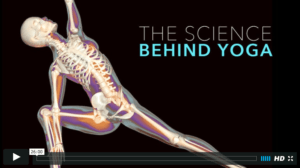
Check out this short film ‘The Science Behind Yoga’ which launched last month.

This is a fascinating film that delves into new areas of research that are emerging, looking at the physical and mental health benefits of yoga. It features contributions from experts in the fields of yoga, meditation, neuroscience and psychology including our own Michael de Manincor:

“There is actually something very powerful in what’s going on in here, and that’s worth investigating”

Film: The Science of Yoga

Guest Post: Yoga for free, for charity and for profit

by Brook McCarthy

Teaching Yoga for Free, Charity & ProfitThere’s a time for working for free, a place for charitable yoga teaching and a role for working for profit. As a yoga teacher, knowing the difference between these will help you avoid heartache and thrive as a professional, while helping to lift the entire yoga sector. Whether you’re a fledgling yoga teacher, a studio owner, a seasoned teacher at others’ studios, or someone in between, it’s useful to differentiate between these three.
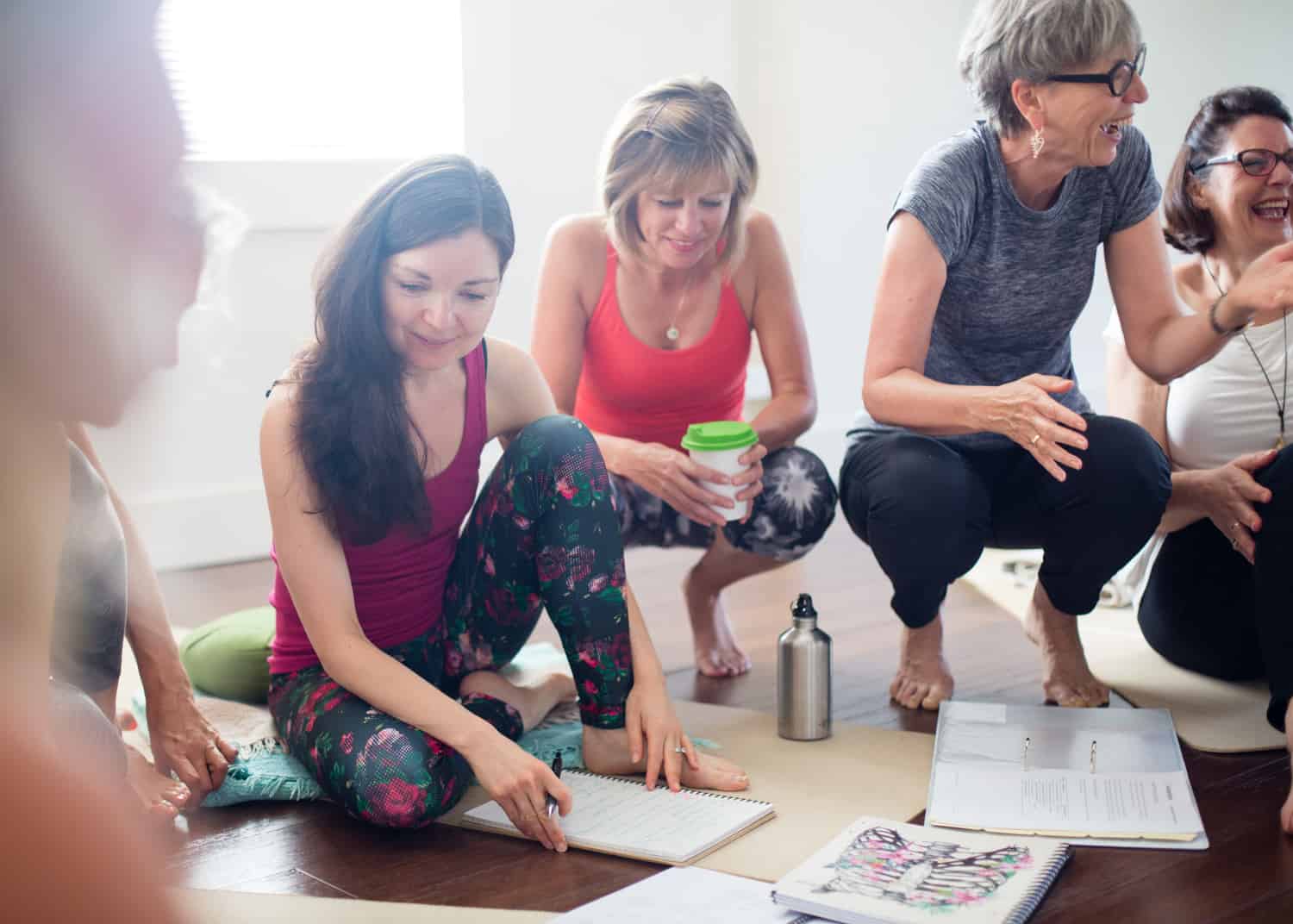
Free to be me

Let’s start with working for free. When just starting out, you’re rich in enthusiasm and poor in experience, so working for free makes a lot of sense. Fresh from your yoga teacher training course, you need all the experience you can get in order to develop the necessary skills to teach.

There’s no other way to learn how to adjust, assist, instruct with just the right amount of words for bodies that are tall, short, wide, skinny, old, in menopause, with duff hips, slipped discs, heavily pregnant bellies, tight hamstrings, and rotator cuff injuries and personalities that are striving, depressed, distracted, uncomfortable, inhibited or shy. And no, the three volunteer classes you taught in during your course don’t count.

You need diversity, you need unexpected situations, you need more experience.

How long you teach for free is really up to you and the guidance of your teacher. And free is totally free, not “I owe you” or “you owe me” from yoga studio owners, family, friends and colleagues. No funny feelings, no weirdness, no negativity.

Giving free lessons

Offering ‘first class is free’ at yoga studio also makes sense for studio owners that need feet through the door and bums on mats.

I have mixed feelings about how successful it is as a marketing strategy because there are lots of variables. These include: whether the studio will attract ‘price shoppers’ who only ever intend to use the free class and then disappear to the next studio offering free or heavily discounted intro passes; and whether the student recognises the value and power of yoga when she is not motivated by the dollar amount she’s invested.

Yoga for charity

I’m surprised there’s not more involvement by the yoga world in charity fundraising and outreach. With several worthy exceptions (such as The Yoga Foundation  and Off the Mat), there are pitifully few examples of organised, collaborative and cohesive giving by the yoga community. Most charitable endeavours are singular and happening in isolation.

To me, this is one of the most disappointing aspects of the yoga world. But the worldwide yoga movement is still in its infancy. We have not had decades of mainstream popularity, and yoga’s origins are very much counterculture, so this may explain why we are not more cohesive and organised. Perhaps we will unite in time to serve and give cohesively, similar to churches and parishes.

Working for charity means the funds raised go to charity. Givers should not be mislead – if the teacher is being paid, then ensure people know this. If marketing and advertising is coming out of the budget, then explain this.

When a teacher works for charity, she should expect that the fruits of her efforts go to the charity in question, not to the studio hosting the ‘charitable’ event.

Yoga for profit

Working denotes payment; if it were otherwise, you are volunteering or enjoying free time. Making a viable living as a yoga teacher is essential if you are to invest in a house, pay for children’s education, undergo further yoga training, and respect yourself as an individual. Of course, earning money does not equal self-respect. I don’t get paid to look after my children and my self-respect has risen exponentially since becoming a mother.

If you volunteer your yoga teaching to people who are clearly unable to afford it or cannot otherwise access it, I salute you. But teaching yoga over many years, amassing vast experience and considerable qualifications while still being unable to support yourself in full-time teaching will erode your self-respect if you let it.

Having decades of experience and being asked to teach or present for free at for-profit conferences or events is insulting, to the teacher and to the teachings.

Oftentimes, teachers express to me that they enjoy yoga teaching so much that they feel embarrassed to take money or ask for more. But enthusiasm and passion should be rewarded, not penalised. If you’re an experienced and skilled teacher and you also derive obvious joy from it, you should be earning more money, not less.

Confusing personal practice with teaching

Helping professionals – such as nurses, doctors, ambulance drivers, childcare workers and teachers – get paid. This doesn’t undermine the generosity of their profession. As yoga teachers, we seek to empower people to use the practice and philosophy of yoga to enact change ­– to their relationships to others and to themselves.

We still need money, and this doesn’t undermine what we do. In fact, earning a viable income is a necessary rite of passage where we accept responsibility for our needs and the needs of our family. This should be a source of pride, not of shame. And yet the yoga sector is rife with exploitation. Similar to other industries, such as fashion, media, the arts and higher education, where passion and aspiration is prevalent, unscrupulous people can easily take advantage of sincerity and enthusiasm.

Earning an income is part of our spirituality, but the personal practice of yoga shouldn’t be confused with the teaching of yoga. Of course, these should run parallel, but one is personal in nature and the other is public. Just because teaching yoga often facilitates spiritual awakenings doesn’t mean the teacher shouldn’t expect recompense.

In the last seven years of working in yoga marketing, I’ve been privy to all kinds of horror stories and been on the receiving end of a few, too. From studio owners who insist contracting teachers sign a non-competitive clause to prevent them working at other studios in the areas around which they live. To pressure to teach for free on behalf of the studio for expensive yoga wear retailers when the teacher doesn’t want to. To promotions run by the studio that mean the teacher isn’t paid per head for the students that take up the promotion – I’ve heard it all.

And I’ve heard countless teachers tell me that it’s okay to be running their yoga businesses at a loss because they’re ‘lucky’ to have an inheritance or a wealthy benefactor. It’s not okay to call your business a business if you’re not earning a profit and are convincing yourself you’re fine with it when really, you’re not.

But it’s especially not okay that we are quick to be labelled “unyogic” by students and colleagues because we expect fair pay for fair work. Being a yoga teacher is the hardest job you’ll ever love, made doubly so because too many people don’t consider it ‘real work’.

My advice – earning money isn’t incompatible with being spiritual, you set expectations for how others treat you, and if anyone calls you “unyogic”, don’t just walk away. Run.

Brook McCarthy is a long-time yoga teacher, digital marketing trainer and business coach. Her business, formally known as Yoga Reach, helps health and creative services professionals to grow their reputation, build their brand and do their best work.

July 15th, 2021: Foundations of Yoga Therapy

Graduate Studies in Yoga Therapy


Course Dates – 2021

STARTING SOON 

Live Online Day Sessions:

Dates: Thursdays, Jul 15th, 22nd & 29th
Times: 9:30am – 12:30pm & 1:30pm – 4:00pm

Dates: Thursdays, Aug 26th & Sep 2nd
Times: 9:30am – 12:30pm & 1:30pm – 4:00pm

Face to Face in-class session (at The Yoga Institute in Cammeray):

Date: Saturday – Wednesday, August 7th – 11th
Timings: Weekend 9:30am – 5:30pm & Weekdays 8:30am – 4:30pm

  • Timings and dates subject to change
  • This course begins online so will be going ahead regardless of changes in restrictions due to Covid-19. If restrictions are still in place in Sydney in August the Face to Face component will be rescheduled to a later date in 2021

Why the Foundations of  Yoga Therapy course?

With the prevalence of different yoga ‘styles’, an array of continuing-education courses on offer for yoga teachers PLUS the coming and going of different ‘yoga fads’ – many yoga teachers are left constantly searching and wondering how to really have an impact in the lives of their students and empower them to create change.

Do you ever wonder why some of your students seem to make little progress in their practice?

Are you looking for a solid foundation and framework to work from as a Yoga Teacher ?

Are you a teacher who is looking to deepen your yoga knowledge and bring about more powerful positive transformations in your students?

Are you just curious about the field of yoga therapy or designing personalised yoga practices?

Learning the art of developing yoga-based practices to meet a spectrum of individual needs (including therapeutic needs) is the basis for the work of a Yoga therapist. Developing this foundation will transform your knowledge, experience and effectiveness as a yoga teacher. All the skills and practices learnt are geared towards mindfulness, wellbeing, empowering and providing helpful change in the lives of our students.

There could be many reasons to do this Foundations course however with the right knowledge and skills – the potential rewards for yourself and your students are profound.


Please Note: This 100hr module is the first module of our full Yoga Therapy Training Course. It is available as a standalone unit for registered yoga teachers.


Ready to Enrol?

Step 1: Deposit & Application

Pay today to secure your place = $550

PLUS

Step 2: Balance Payment

Remaining Balance Payment = $1,400

Total Course Fee = $1,950

SAVE $200 off this price – Early bird special – enrol by 18th June 2021 (limited to first 5 places)

Module pricing includes:

  • 4.5 x face-face days at The Yoga Institute (Cammeray, Sydney)
  • 3.5 x live & interactive online days
  • 5 x live & interactive evening webinars
  • 2 x individual mentoring sessions to support practicum and module completion
Continue to develop your skills as a Yoga Teacher, maintain the light through life-long learning and practice…

Module Content

FOUNDATIONS OF YOGA THERAPY – Key Concepts and Learning Objectives

The Foundations module has been carefully designed to provide a solid course to transition Yoga Teachers into the field of Yoga Therapy.  To ensure a quality learning experience for our students we offer a range of resources aimed to best support each student in their pursuit of knowledge development and clinical experience.

The Yoga Therapy Framework

  • Develop an understanding of what is Yoga cikitsa (Yoga Therapy)? 
  • Learn The Yogic perspective on health and illness.
  • You will be informed on the context of Yoga therapy in traditional texts and teachings of Yoga, including the Vedas and Upanishads, the Bhagavad Gita, the Yoga Sutra of Patanjali, the Hatha Yoga Pradipika, and the Yoga Rahasya.
  • Provided with the opportunity to consider the emergence of modern Yoga therapy, and its place in the field of complementary therapies.

Founding Principles of Yoga Therapy

  • Review the panca maya model (or five koshas).
  • Exploration of the multi-dimensional nature of being human in the context of Yoga therapy
  • Exploration of yoga energetics and the five prana vayus and its relevance in Yoga therapy.
  • Develop a sound understanding of the principle of viniyoga – that being teaching yoga according to varying needs, abilities, and goals of each individual or group.

Therapeutic Application of Yoga Practices

  • Build and further develop tools and techniques to enable the development of an appropriate personalised yoga practice, yoga tools that are considered include asana (postures), pranayama (seated breathing practices), meditation, relaxation, mindfulness, yoga nidra, visualisations, sound, mudra, mantra and more.
  • The application of energizing and calming practices in Yoga therapy
  • The how to integrate yoga practice and lifestyle.

Yoga Therapy Skills Development

  • Develop skills that enable you to design yoga practices for a range of individual needs and therapeutic application.
  • In this module you will be provided with a framework that guides a Yoga Therapist to work effectively in one-one sessions.
  • Rich learning opportunities in class room and in the clinical setting to develop competency in the assessment & history taking process.
  • Learn and develop important communication skills to enhance your listening and skills to connect and hold space with individuals in the context of yoga therapy

Interpersonal and Communication skills for Yoga Therapists

  • Develop communication skills when working one-one with Yoga Therapy clients. The skills developed are similar to, but not necessarily the same as, those required for a professional or therapeutic relationship, such as coaching, counselling, or psychotherapy.

Understanding Research

  • Evidence-Based Approaches & Development of Research: Understanding yoga-related clinical research, and development of student research projects. Understanding research is a valuable skill set as a Yoga Therapist to allow staying fresh with emerging findings and modern science.

This Module may be taken as a stand-alone professional development training, or it can be taken as part of the complete Yoga Therapy Training Course qualification.

The Foundations of Yoga Therapy module is a pre-requisite for all the other Modules in the full program.


Module Components


Who are the teachers?

Michael de Manincor, The Yoga Institute. Yoga Teacher Trainer. Yoga Therapist. Yoga Therapy TrainerMichael is one of the most highly respected yoga teachers in Australia, with over 30 years teaching experience. He has undertaken extensive studies with renowned teacher TKV Desikachar, in the authentic tradition of T Krishnamacharya. Read more.

Lisa GrauaugLisa has been practicing and teaching yoga since the mid-90s. Lisa values individuality and working with students to facilitate a better understanding of their unique and changing needs. Her understanding and personal practice has since been strongly influenced by the teachings as translated by Sri T Krishnamacharya. Read more.

Lucy brings over 25 years of experience training and consulting in the field of person-to-person communication and has studied extensively in both Australia and the USA.  Lucy passionately believes that by practising Yoga, in whatever form is available to an individual, healing will occur. Read more.


Prior Learning & Course Recognition

This module is a pre-requisite for all other modules in the full yoga therapy training course.

Graduates of The Yoga Institute: Graduates of our diploma level teacher training course, will receive Recognised Prior Learning (RPL) credit and are not required to attend this module as a pre-requisite to participating in remaining Yoga Therapy training modules.

Graduates of other teacher training courses that cover one-to-one yoga teaching may also apply for RPL.

This Module can be taken as a stand alone professional development program, or it can be taken as part of the complete Yoga Therapy Training Course qualification. Yoga Teachers who attend this module as a standalone unit receive Yoga Australia CPD points equivalent to 100hrs.


Assessment

This is a competency-based unit, so students will be assessed to demonstrate competency. In the circumstance where competency is not demonstrated on first submission, re-submission will be possible.

Assessment of this module includes:

  • Full attendance at all face to face classes *
  • Full attendance at all live webinars *
  • Undertaking pre and post lecture study tasks as directed
  • Successful completion and submission of workbooks following webinars?
  • Successful completion of practicum tasks relevant to each Module
  • One other written assessment task related to the Module content

* If any face to face or live webinar sessions are missed (under exceptional circumstances only) the student will be required to complete adequate ‘make up’ tasks as set by the teacher for that class, including but not limited to viewing of any recordings of the class session (where available), and answering reflective questions set by the teacher. An additional cost will be incurred by the student for these sessions.


Module Inclusions 

This Module involves 100+ hours of training, and gives you:

  • 70 hours of classes (face to face and online)
  • access to the online learning portal
  • 2 hours of individual Mentoring with your Program Mentor
  • resources to facilitate 30+ hours of self-directed learning
  • reading material and other learning tools
  • assessment of your written work
  • partial completion of the registered Yoga Therapy Training Course

Pre-requisites for entry

There are requirements to register for this unit :


More Information

To find out more or get your questions answered, contact Lisa Grauaug at yogatherapytraining@yogainstitute.com.au or call us on 0477 021 219.

The Yoga Institute acknowledges the Cammeraygal people of the Eora nation as the Traditional Custodians of the land on which our centre is based.

Copyright The Yoga Institute 2025

Built by IRONIC3D in Sydney